
Water Damage Insurance Claim Assistance in Layton, UT
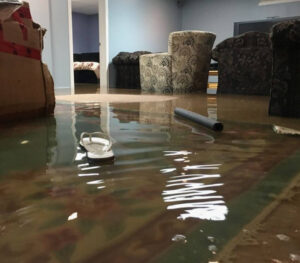
A water damage insurance claim isn’t just paperwork — it’s a negotiation. Your insurance provider has a process designed to manage their costs. As a veteran-owned, IICRC-certified contractor providing water damage restoration services in Layton, we have a process designed to document your true loss and ensure you get the full settlement you’re entitled to under your policy.
This page is not a generic guide. It’s a collection of insights our team has gained from years of handling water damage claims across Davis County. We’ve seen firsthand how a well-documented claim can be the difference between a full recovery and a frustrating, out-of-pocket repair bill.
From Our Office on Hill Field Road: Real Advice for Davis County Homeowners
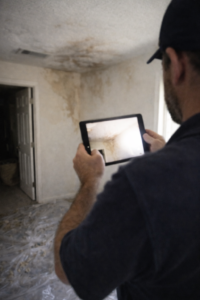
Our office is at 2875 N Hill Field Rd #51 in Layton, UT 84041. We aren’t a faceless national chain. We live here, and we’re proud to be serving homeowners across Layton, UT and the surrounding Davis County communities. We understand the specific issues that cause water damage in our area, from the spring snowmelt coming off the Wasatch Front that floods basements in East Layton to the ice dams that form on homes in the Fruit Heights benches.
When our certified technicians arrive, their first job is to stop the damage. Their second is to document everything for your claim. This includes:
- Thermal Imaging: We use moisture detection and thermal imaging to find hidden moisture behind walls and under floors — moisture that a company adjuster might miss.
- Moisture Meter Readings: We take readings on unaffected materials to establish a “dry standard,” then document the elevated moisture in damaged areas. This provides undeniable proof of the extent of water migration and informs the structural drying after water intrusion that follows.
- Photo and Video Documentation: We create a comprehensive visual record of the damage source, the affected structure, and personal property before any demolition begins, supporting our documented restoration process from start to finish.
We are a licensed and insured contractor in Utah and we manage the restoration and handle the direct billing to your insurance provider, creating a seamless process for you.
We Speak Their Language: Working with State Farm, Bear River Mutual, and More
Our team has direct experience working with adjusters from every major carrier in Northern Utah, including State Farm, Allstate, Farmers, and local favorites like Bear River Mutual. We know their specific documentation requirements and how to build a claim file that gets processed efficiently.
We handle the direct communication with your assigned company adjuster. You won’t have to translate contractor estimates into insurance-speak. We present a detailed scope of work, backed by our moisture readings and photos, to justify every line item of the restoration.
Actual Cash Value (ACV) vs. Replacement Cost Value (RCV): The Difference is Thousands
Most adjusters will initially calculate your loss using Actual Cash Value (ACV). ACV is the value of your damaged property minus depreciation. For a 10-year-old carpet, that could be next to nothing.
We push for your full Replacement Cost Value (RCV). RCV is the real-world cost to replace your damaged property with materials of like kind and quality at today’s prices. For RCV policies, the insurance company typically pays the ACV first. They then release the remaining funds (the depreciation) after you submit receipts for the completed repairs. Our detailed invoicing ensures you have the exact documentation needed to claim this “recoverable depreciation” and get your full settlement.
The Xactimate Game: How We Challenge Lowball Estimates
Nearly every insurer uses a software called Xactimate to price your claim. It’s an industry-standard tool, but its estimates are only as good as the information entered. An adjuster rushing through an inspection can easily miss crucial details.
Real-world example: We were called to assist with washing machine water damage in Layton where a supply line had failed, flooding the laundry room and adjacent hallway. The initial Xactimate estimate from the insurer only covered the replacement of the base model laminate flooring. It completely missed the fact that the water had saturated the drywall behind the baseboards, which required removal and replacement to prevent mold remediation if damage goes untreated. We provided our thermal imaging photos and moisture logs, submitted a corrected estimate through Xactimate, and got the additional work approved within 48 hours.
Layton-Specific Problems Your Policy Should Cover
We tie every claim back to a covered event specific to your policy. For our neighbors in Davis County, this often involves:
- Frozen & Burst Pipes: A common event in Utah winters, especially in homes with uninsulated pipes in crawlspaces or along exterior walls — exactly the kind of event documented in the burst pipe claim we handled in Layton that required full ceiling and wall restoration.
- Ice Dams: Heavy snow on the Wasatch Front can lead to ice dams at the roofline, causing water to back up under shingles and leak into attics and ceilings. See our ice dam water intrusion case study from a nearby Kaysville home for a real example of how these claims are handled.
- Appliance & Supply Line Failures: From water heaters in garages to dishwasher lines under sinks, these failures are a leading cause of Category 1 water damage. Review our washing machine overflow case study in Layton to see how we document and resolve these claims.
- Storm Damage & Runoff: While groundwater flooding requires separate flood insurance, wind-driven rain and roof leaks from storms are typically covered under standard homeowner policies. The sump pump failure case study from Clearfield illustrates how we handle storm-related disputed claims.
Your Duties After a Loss: Mitigation and Documentation
Your insurance policy requires you to “mitigate” the damage, meaning you must take reasonable steps to prevent the problem from getting worse. That means 24/7 emergency water damage response is critical — our round-the-clock service helps you meet this obligation the moment loss occurs. It also means arranging immediate water extraction to stop ongoing damage before it compounds your claim.
Your responsibilities include:
- Call for professional help immediately. This demonstrates you are actively mitigating the loss.
- Document everything you can. Take your own photos and videos of the damage before anything is moved.
- Keep detailed records. Save all receipts and log all communications with your insurance company.
Get a Second Opinion on Your Insurance Claim
If you’ve already filed a claim but the settlement offer seems low, or the process is dragging on, you are not stuck. As your contractor, we can review the adjuster’s estimate and compare it to our own findings. Often, we can identify missed scope items or incorrect pricing and help you reopen the claim to negotiate a supplemental payment. Your home is your biggest investment — don’t let a rushed inspection determine its future. If you still have questions about coverage, timelines, or what to expect, visit our frequently asked questions about water damage claims for additional guidance.