
Mold Remediation for Layton & Davis County Homes
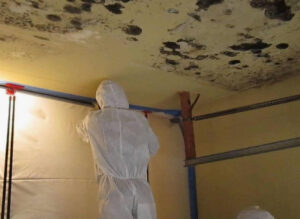
Mold is not a distant coastal issue; it’s a persistent problem in mold remediation in Layton, UT homes, often starting within 24 hours of water damage that leads to mold growth. Upkeep Water Damage bases its work on direct experience with local building stock. We’ve traced significant microbial growth into the attic sheathing of 1980s ramblers in Whitesides Estates following severe ice dam formations and discovered hidden colonies in the basements of Kaysville homes struggling with foundation saturation from the Wasatch Front spring snowmelt.
Our technicians are dispatched from within Layton, providing mold remediation services grounded in the realities of Davis County’s unique construction and climate. We generate the detailed daily drying logs and moisture maps that insurance adjusters from local carriers like Bear River Mutual require to process a claim correctly and avoid documentation gaps.
Beyond the Musty Smell: Recognizing Mold in Davis County’s Climate
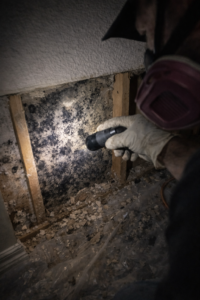
In our semi-arid environment, a persistent damp or earthy odor is a major red flag. Given our typically low humidity, any unexplained moisture deserves immediate investigation.
Visible Signs: You might see dark spotting on drywall, particularly on exterior walls or around windows prone to condensation during winter temperature inversions. Discoloration on a ceiling is often a map of a slow leak from a bathroom or plumbing line on the floor above. We’ve documented cases of hidden mold behind drywall in South Weber that went undetected for months before symptoms emerged.
Local Triggers: Did a pipe freeze in an uninsulated crawlspace during a January cold snap? That’s the number one cause of our emergency calls from December to February. Did heavy spring runoff overwhelm your gutters? These events are common precursors to mold growth in the East Layton bench neighborhoods.
Health Symptoms: If unexplained coughing or allergy-like symptoms seem to lessen when you’re away from the house, it may point to an indoor air quality problem that a professional assessment can identify.
Our Mold Remediation Protocol: A Layton Case Study
A 1990s two-story home in the Aspen Heights neighborhood developed a significant roof leak after an ice dam formed. Water bypassed the flashing and saturated the insulation and drywall in an upstairs bedroom ceiling. Our process was methodical:
Site Assessment & Containment: We used a FLIR thermal camera to map the water’s path from the attic into the wall cavity, relying on moisture detection behind walls to define the full extent of saturation. The affected area was immediately isolated with 6-mil poly sheeting and placed under negative air pressure with HEPA air scrubbing during containment to prevent cross-contamination.
Material Removal: The water-damaged drywall and saturated insulation were cut out, bagged, and removed, following IICRC S520 guidelines for microbial remediation. The exposed wood framing and ceiling joists were inspected for moisture content using a Protimeter moisture meter.
HEPA Vacuuming & Cleaning: All surfaces within the containment area were meticulously HEPA vacuumed to capture microscopic spores. The exposed wood studs, which were structurally sound, were treated with an EPA-registered antimicrobial agent. For a detailed breakdown of what happens next, see our full mold removal process.
Drying & Verification: We established a balanced drying system using commercial dehumidifiers and air movers, monitoring psychrometric readings daily until the materials returned to their normal, pre-loss moisture content. Post-remediation air samples were taken to verify the space was returned to a normal fungal ecology.
Addressing the Source: The remediation is only complete once the original fault is corrected. We coordinated with a roofer to repair the ice dam-prone area, ensuring a permanent solution. Structural work is handled under our contractor license — see how we approach reconstruction after mold remediation to bring your home fully back to pre-loss condition. Taking steps toward mold prevention after remediation is equally important to ensuring the problem doesn’t return.
You can read more about a recent mold remediation project in Layton that followed this same protocol from start to finish.
Northern Utah’s Unique Mold Triggers: It’s Not Just Leaks
Our climate creates specific pathways for water to get trapped inside building assemblies.
Winter Ice Dams: Heavy lake-effect snow from storms over the Great Salt Lake melts against warmer roof surfaces and refreezes at the eaves. This forces water under shingles, saturating attic insulation and ceiling drywall. We recently documented exactly this scenario in a case of attic mold remediation in Kaysville caused by recurring ice dam intrusion.
Wasatch Front Snowmelt: As the heavy mountain snowpack melts in the spring, the saturated ground around homes in communities like Fruit Heights and South Weber can overwhelm foundation drainage systems and sump pumps, leading to basement water intrusion.
Burst Pipes: Pipes in poorly insulated cantilevers, crawlspaces, or exterior walls are highly vulnerable during our deep winter freezes. A single burst pipe can release dozens of gallons of water in minutes, as illustrated in the crawl space mold we remediated in Clearfield after a winter pipe failure saturated the substructure.
Appliance Failures: A leaking dishwasher, ice maker supply line, or washing machine hose is a common source of water damage that can go unnoticed for days, allowing mold to flourish in the subfloor or the ceiling below.
Identifying Common Molds Found in Local Homes
While Stachybotrys chartarum (“black mold” removal) gets a lot of attention, our technicians more frequently find Aspergillus and Penicillium on water-damaged drywall and insulation inside Layton homes. Cladosporium is also common, capable of growing in cooler, damp areas like window frames or unheated basements.
While lab testing can identify the exact species for an insurance file, our IICRC-based remediation protocol is designed to safely contain and remove all types of fungal growth. Any visible growth is a sign of a moisture problem that is degrading your home’s structure and air quality.
Answering Your Questions About Mold in Layton
Do you work directly with insurance carriers? Yes. A core part of our service is providing the data-driven documentation required by adjusters from State Farm, Allstate, and especially Bear River Mutual. This includes thermal imaging, detailed moisture maps, and reports that align with insurance industry software and standards.
Are your technicians certified for mold removal? Our firm follows the standards set by the Institute of Inspection, Cleaning and Restoration Certification (IICRC). Our technicians hold IICRC certifications for Water Damage Restoration (WRT) and Applied Microbial Remediation (AMRT). You can ask to see our technicians’ current certification cards upon arrival. 987654-5501 is available for verification.
What does mold remediation cost? The cost is 100% dependent on the scope of work. A small area of surface mold on a bathroom ceiling is a minor job. Remediation that requires removing sections of walls and flooring from a basement that flooded is a much larger project. We provide a detailed, line-item estimate after a complete professional mold inspection and testing visit. You can also review a basement mold inspection in Syracuse that illustrates how scope drives the final cost estimate.
Are you a licensed contractor for the repairs? Yes. Any structural repairs or reconstruction work is performed under our contractor license, as required by the Utah Division of Professional Licensing (DOPL). This allows us to manage the entire process, from cleanup to the final coat of paint.