
Sewage Backup Cleanup for Layton & Davis County Homes
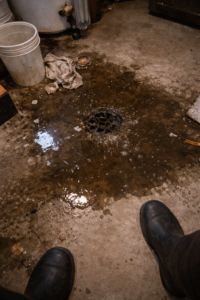
When a sewer line fails in a Layton home, it’s not just a mess, it’s a biohazard event. The wastewater, classified by the IICRC as Category 3 black water contamination, carries dangerous pathogens and requires an immediate, professional response. A backup in a basement in an East Layton split-level or a main floor bathroom in a newer Harmony Place home presents serious health risks and the potential for significant structural damage.
At Upkeep Water Damage Restoration, we provide expert sewage cleanup services in Layton grounded in the specific challenges of our local communities. From our shop at 2875 N Hill Field Rd #51, our crews can be on-site in most Layton neighborhoods, from Chelsie Park to Sunset Hills, within 60-90 minutes. We understand the urgency and the precise protocols required to make your home safe again.
A Veteran-Owned Firm for a High-Stakes Problem
Upkeep Water Damage Restoration is a family-owned, veteran-owned firm founded right here in Layton a decade ago. Our mission is to solve the specific water intrusion problems that affect Davis County homeowners. This isn’t a side service for us; it is our core focus. We operate with a disciplined process to diagnose the point of failure, document the contamination path, and restore the property according to the strict ANSI/IICRC S500 standard. Our work is fully licensed and insured, providing you with verifiable peace of mind.
Utah Contractor License: 920347-5501
IICRC Certified Firm ID: 987654-5501
The Specific Causes of Sewer Backups in the Layton Area
While some causes are universal, many sewage backups we see are tied to local conditions. Our field experience has documented several recurring failure points unique to our area.
- Tree Root Intrusion: The mature trees in established neighborhoods like Robinwood and Whitesides Estates have root systems that aggressively seek the moisture in sewer laterals, causing blockages and pipe collapses.
- Aging Pipe Materials: Many homes built before the 1990s in Layton and Clearfield still have original cast iron or clay sewer lines. These materials are now at the end of their service life and are highly susceptible to cracks and failures, a common issue we address. You can see a real example of this kind of failure in the sewage line backup in Clearfield that our team recently resolved.
- Heavy Wasatch Front Runoff: Rapid spring snowmelt and intense summer thunderstorms can overwhelm municipal sewer mains, causing water to back up into homes through floor drains. This is a frequent problem in low-lying areas and homes with basements.
- Grease and “Flushable” Wipes: As the South Davis Sewer District constantly warns, flushing materials that don’t break down creates severe clogs in the public system, which can translate to a backup in your home.
Our IICRC S500 Mandated Cleanup Protocol
There is no guesswork in proper sewage remediation. Our IICRC-certified technicians follow a strict, documented process.
- Emergency Containment & Assessment: We first stop the flow and establish containment barriers with negative air pressure to prevent airborne contaminants from spreading to unaffected areas of your home.
- Black Water & Solids Extraction: All standing sewage and solid waste are removed using specialized extraction equipment.
- Removal of Contaminated Materials: Porous materials like drywall, carpet, insulation, and particle-board subflooring are unsalvageable. They are carefully cut out, bagged under biohazard protocols, and disposed of according to EPA regulations.
- Disinfection with EPA-Registered Agents: We apply hospital-grade, EPA-registered disinfectants to all remaining structural elements, ensuring we kill pathogens like E. coli and Hepatitis A.
- Structural Drying & Dehumidification: LGR (Low-Grain Refrigerant) dehumidifiers and high-velocity air movers are strategically placed to aggressively dry the structure. We monitor this process with thermal imaging and moisture meters.
- Odor & Air Quality Control: HEPA air scrubbers continue to run throughout the process to capture any lingering particulates, and we use hydroxyl generators or thermal fogging as part of our comprehensive odor removal after sewage backup to neutralize contaminants at their source.
To see this protocol applied to a real local job, review the sewage backup we cleaned up in a Layton basement — one of the most detailed accounts of our process from start to finish. We also documented a Category 3 sewage loss we handled in South Weber, which illustrates how this protocol applies across different property types and soil conditions.
Understanding IICRC Category 3 “Black Water” and Its Dangers
The Institute of Inspection, Cleaning and Restoration Certification (IICRC) defines any water originating from a sewer line as Category 3. This classification is critical, as it mandates the highest level of caution and biohazard cleanup and remediation protocols. Unlike clean water from a supply line (Category 1), black water is grossly contaminated with pathogens, toxins, and other harmful agents that pose an immediate and serious health risk.
Any porous material it touches, from the drywall in your basement to the carpet in a bedroom, must be removed and disposed of. The IICRC S500 Standard for Professional Water Damage Restoration strictly forbids trying to “clean” these saturated items. Our technicians are trained and certified in these protocols, ensuring the job is done correctly to protect your family’s health.
Pathogen Risks in Davis County Sewage Events: Beyond the Obvious
The health hazards in black water are microscopic and potent. Attempting a DIY cleanup without proper training and personal protective equipment (PPE) is extremely dangerous. Common pathogens we remediate for include:
- E. coli: While some strains are harmless, pathogenic varieties found in sewage can cause severe gastrointestinal illness and even kidney failure.
- Hepatitis A: This resilient virus can survive on surfaces for months and causes acute liver disease.
- Salmonella: A common bacterium in sewage that leads to fever, cramps, and severe diarrhea, posing a significant risk to children and the elderly.
- Giardia: These microscopic parasites are resistant to many disinfectants and cause a persistent intestinal illness known as giardiasis.
The Non-Negotiable PPE for Safe Remediation
OSHA regulations mandate specific Personal Protective Equipment for any worker handling Category 3 water. Our technicians arrive equipped with:
- Full-face respirators with P100 filters to prevent inhaling aerosolized pathogens.
- Waterproof, chemical-resistant suits to prevent any skin contact.
- Double-layered, nitrile gloves for biohazard handling.
- Steel-toed rubber boots for protection against contaminated water and debris.
This level of protection is a key reason professional remediation is not just recommended, but essential for safety. If your situation involves a contained overflow rather than a full line backup, our toilet overflow cleanup service may be the more appropriate starting point for diagnosis.
Structural Drying in Layton’s Climate: The Science of Moisture Removal
Simply removing the water is not enough. Our dry, high-altitude climate can be misleading; moisture trapped in wall cavities or subflooring can persist for weeks, leading to mold and rot. We use the science of psychrometry, measuring temperature and humidity to manage the drying environment. Our technicians deploy commercial-grade LGR dehumidifiers and high-velocity air movers to create a powerful drying vortex. We don’t guess when it’s dry; we use moisture meters and thermal imaging cameras to verify that the structural drying after sewage damage is complete and that materials have returned to their normal, pre-loss moisture content. When moisture lingers undetected in wall cavities, it creates conditions that require mold remediation after sewage exposure — a secondary problem we work hard to prevent by drying thoroughly the first time. This documented process is critical for preventing secondary damage and is a key part of your insurance claim documentation.
Why Choose a Licensed and Certified Layton Specialist?
For a job this critical, verification matters. Upkeep Water Damage Restoration is a licensed Utah contractor and an IICRC Certified Firm, and we encourage you to verify these credentials.
- You can verify our Utah Contractor License (920347-5501) on the Utah Division of Professional Licensing (DOPL) website.
- You can confirm our status as an IICRC Certified Firm (ID: 987654-5501) using the IICRC Global Locator.
Hiring a verified professional ensures adherence to industry standards and provides a layer of accountability that is crucial when your property and health are at risk.
Your Questions About Layton Sewage Backups, Answered
How fast can you get to my home in Kaysville or Syracuse? Our trucks are staged at our Hill Field Road shop. We can typically be on-site anywhere in Layton, Kaysville, Syracuse, or Clearfield within 60-90 minutes.
Do you work with local insurance companies like Bear River Mutual? Yes. We have extensive experience working directly with all major Utah insurance carriers and their adjusters — including handling sewage backup insurance claims — providing the detailed documentation and line-item estimates they require for sewage claims.
What does sewage cleanup cost? The cost varies significantly based on the extent of contamination and the materials that must be removed. We use the same estimating software as insurance companies (Xactimate) to provide a transparent, detailed scope of work.
Is Davis County’s hard water a factor in pipe failures? Yes. Utah has some of the hardest water in the country, which leads to mineral buildup and corrosion in pipes, increasing the risk of failure over time, especially in older plumbing systems.
For homeowners in the Layton area looking for a full picture of our local expertise, visit our page on water damage restoration serving Layton, UT. Our crews are available around the clock — contact Upkeep Water Damage Restoration at any hour and we will have a team staged and en route to your home.