
Soot & Smoke Damage Restoration for Layton, UT
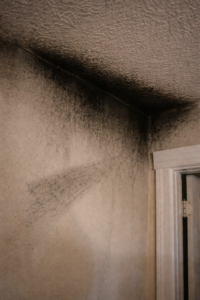
A fire in your home leaves behind more than just visible destruction. As part of the broader process of fire damage restoration, addressing what remains after the flames is critical. Soot, an acidic and toxic byproduct, settles on every surface — from the walls in a West Layton home to the inside of an HVAC system in a business near the Layton Hills Mall. Paired with the need for smoke damage cleanup, soot remediation is not just a mess to deal with; it’s an ongoing chemical assault on your property and a significant risk to your family’s respiratory health.
Upkeep Water Damage Restoration is a family-owned, veteran-owned firm located on North Hill Field Road, providing focused soot remediation services across Layton and Davis County. We address the specific types of soot and smoke damage common to our area, from greasy kitchen fire residues to the fine, pervasive dust from a furnace malfunction. Our mission is to restore your property using documented, verifiable methods that meet IICRC and Utah building standards.
Not all soot is the same, and the source of the fire dictates our response. A grease fire in a kitchen off Antelope Drive produces a sticky, oily soot that smears with improper cleaning. A furnace “puff-back” during the first cold snap of winter can send dry, powdery soot throughout an entire home via the ductwork, a common issue in many of the area’s established neighborhoods like Robinwood or Sun Hills.
These particulates are dangerous. Soot is primarily composed of carbon, but it also carries acids and chemicals from the combusted materials — a level of contamination that can overlap with biohazard decontamination in certain electrical or chemical fire scenarios. Left untreated, soot will cause serious ongoing damage to your property and health.
- Corrode Surfaces: The acidic nature of soot etches glass, tarnishes metal fixtures, and can discolor paint in a matter of days.
- Embed Permanently: Porous materials like drywall, wood trim, and carpet fibers absorb soot particles, leading to permanent staining and lingering odors.
- Contaminate HVAC Systems: Your furnace or AC unit can become a super-spreader, circulating toxic particles throughout the property.
- Trigger Health Issues: Fine particulate matter (PM2.5) can trigger asthma, allergies, and other respiratory problems, a significant concern in areas already monitoring air quality.
Based on IICRC S700 standards for fire and smoke restoration, our process is systematic and designed for the safety of your property and family.
Damage Assessment & Scope
We begin by identifying the type of soot (wet, dry, protein-based) and mapping its travel path. We use thermal imaging and moisture detection equipment to find hidden smoke and water damage from firefighting efforts.
Containment Setup
We establish critical containment barriers using 6-mil poly sheeting to seal off affected areas. This, combined with negative air pressure machines, prevents soot particles from spreading to clean areas like bedrooms or unaffected floors.
HEPA Air Scrubbing
From the moment we arrive, our commercial air scrubbers begin filtering the air. These units use HEPA air scrubbing technology to capture 99.97% of airborne soot and dust particles, dramatically improving indoor air quality during the cleaning process.
Surface & Structural Cleaning
Our technicians use specialized dry-cleaning chemical sponges that lift soot off surfaces like drywall and ceilings without smearing. For greasy soot, we use professional-grade degreasers like Trisodium Phosphate (TSP) with precise dilution to protect the underlying material.
Contents & Personal Property
We have a dedicated contents division that handles contents pack-out and restoration for salvageable items. We recently restored a collection of family photos and documents for a family in the Chelsie Park neighborhood by using specialized freeze-drying techniques.
Deodorization
We neutralize smoke odors at a molecular level using our professional odor removal services. This often involves thermal fogging, which mimics smoke’s path, or using hydroxyl generators, which are safe for use around sensitive materials.
Visible soot is only part of the problem. Fires release Volatile Organic Compounds (VOCs) and microscopic particulate matter (PM2.5) that can linger long after the smoke clears. These are the same types of contaminants monitored in the air around Hill Air Force Base and are known to pose health risks. Our process specifically targets these invisible threats, using air scrubbers with activated carbon filters designed to adsorb VOCs like benzene and formaldehyde from the air, ensuring the air in your home is safe to breathe again.
Trust is earned through transparency and verifiable qualifications. When dealing with fire damage, you should only work with licensed and certified professionals.
- IICRC Certified Firm: We are a certified firm with the Institute of Inspection, Cleaning and Restoration Certification. Our Firm ID is 987654-5501. You can verify our credentials on our credentials page.
- Utah State Licensed: We are a licensed contractor with the Utah Division of Professional Licensing (DOPL). Our Contractor License number is 920347-5501. You can verify any contractor’s license at dopl.utah.gov.
- Insured for Your Protection: We carry comprehensive liability and workers’ compensation insurance to protect your property and our team.
Professional restoration requires industrial-grade equipment. Our trucks are stocked with the tools necessary to handle any size soot loss in Davis County.
HEPA Air Scrubbers & Negative Air Machines
The foundation of our containment strategy, these units establish controlled airflow and clean the air of soot, dust, and toxic particulates throughout the remediation process.
Thermal Foggers
Used to disperse deodorizing agents that penetrate surfaces just as smoke did, reaching into porous materials where odor-causing particles have settled.
Hydroxyl Generators
A powerful and safe technology that uses UV light to create hydroxyl radicals, which break down odor molecules without forcing you to vacate the property.
Dry Cleaning Sponges
Made of vulcanized rubber, these are the only professional tool for removing dry, powdery soot without smearing the particles deeper into the material.
Ultrasonic Cleaning Systems
For delicate items like jewelry, electronics, and blinds, our in-house ultrasonic tanks use sound waves and specialized solutions to remove soot from intricate surfaces without damage.
Attempting to clean soot with household products is one of the most common and costly mistakes a homeowner can make. Using a wet rag on dry soot or an all-purpose cleaner on greasy soot will drive the particles deeper into the material, making professional removal more difficult and sometimes impossible. It can turn a simple surface cleaning job into a project that requires drywall removal and replacement. Always call a certified professional first.
- Kitchen & Grease Fires: The number one cause of home fires, producing sticky, oily soot that requires professional-grade degreasers to remove safely.
- Furnace Puff-Backs: Common in winter, sending oily soot through HVAC systems and coating ductwork, registers, and every room connected to the system.
- Fireplace & Chimney Soot: Caused by creosote buildup, especially after long winters when fireplaces see heavy use.
- Electrical Fires: From faulty wiring or overloaded circuits in older and newer homes, often producing toxic chemical residues alongside carbon soot.
- Wildfire Smoke Infiltration: Smoke from distant fires entering through windows and vents, depositing fine particulate matter on interior surfaces.
Post-fire restoration: comprehensive soot cleanup as part of a larger fire damage repair project is one of our core service offerings. We also provide fire damage board-up services to secure your property before and during the remediation process.
Do you offer 24/7 emergency service in Layton?
Yes. We are based in Layton and can typically be on-site anywhere in Davis County, from Kaysville to Clearfield, within 60-90 minutes of your call. You can see our work documented in our fire, smoke, and water damage restoration in Layton case study, which details a recent multi-system loss we handled in the area.
Do you work directly with insurance companies like Bear River Mutual?
Absolutely. We have experience working with all major insurance carriers in Utah. We provide the detailed documentation, moisture mapping reports, and photographic evidence adjusters need to process your claim correctly.
Are your technicians certified?
Yes, our lead technicians are individually certified by the IICRC in Fire & Smoke Restoration (FSRT) and Odor Control (OCT).
What does soot removal cost in Layton?
The cost depends entirely on the scope of the damage, the types of materials affected, and the equipment required. We provide a detailed, line-item estimate after our initial on-site assessment.
Don’t let soot and smoke cause further damage. Contact Upkeep Water Damage Restoration for a prompt and professional assessment. From our facility on Hill Field Road, we are ready to respond to your home or business anywhere in the Layton area — proudly serving Layton and Davis County around the clock. Call us 24/7 or fill out our online form to schedule your inspection.