
Mold Inspection & Air Quality Testing for Layton Properties
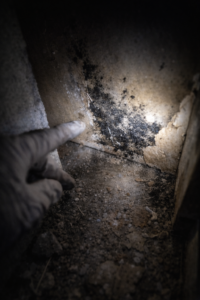
From our office at 2875 N Hill Field Rd, we provide professional mold remediation services rooted in over a decade of moisture detection services and mold diagnostics unique to Davis County homes. We aren’t just a generic service; we are a local, veteran-owned business offering water damage and mold restoration in Layton, UT that understands the specific challenges our neighbors face. Whether it’s a brick rambler in East Layton showing signs of foundation seepage or a newer build in a West Layton subdivision with surprise HVAC moisture, our job is to uncover the root cause of contamination. We’ve documented how the heavy clay soil in parts of the county impacts drainage after a sudden spring thaw and how ice dams on homes near the Wasatch bench can channel water into wall cavities, leading to hidden Stachybotrys growth. Our 34+ five-star Google reviews from homeowners in Layton, Kaysville, and Clearfield are a testament to a process built on verifiable data, not guesswork. You can also review a attic mold remediation in Kaysville we recently completed to see our documentation process firsthand.
Is That Musty Smell in Your Basement a Sign of a Bigger Problem?
That persistent earthy odor in your basement isn’t a normal part of homeownership in Utah. It’s often the first signal of a moisture problem that requires investigation, especially given our local conditions.
Consider a formal mold assessment if:
- You’ve noticed dark discoloration or fuzzy spots on drywall, especially in basements or bathrooms (see a recent bathroom mold remediation in Layton we completed for a local homeowner).
- Your property has experienced a recent water event, like basement flooding after a freeze-thaw cycle or moisture intrusion after heavy snowmelt.
- A musty smell is concentrated in one area, such as a closet, laundry room, or around the HVAC unit.
- Family members experience persistent, unexplained allergy-like symptoms only when at home.
- You’re purchasing a property, particularly an older home in established neighborhoods like Robinwood or Whitesides Estates, and need to verify there are no hidden moisture issues.
Our Layton-Specific Mold Assessment Protocol
Our methodology is grounded in the IICRC S520 Standard for professional mold remediation, adapted for local building practices. We don’t just look for mold; we trace the entire moisture pathway from its source to its impact on your air quality. For a real-world example of this process, review a recent mold inspection we completed in Davis County for a homeowner in Syracuse.
- Site History & Initial Assessment: We start by discussing your home’s history, from past plumbing repairs to the performance of your sump pump during the spring runoff season. We walk the property, noting areas of concern from the foundation to the attic.
- Material Moisture Mapping: We use non-invasive Protimeter moisture meters and FLIR thermal imaging cameras to map moisture levels in drywall, subfloors, and concrete foundation walls. This technology reveals hidden water from sources like foundation cracks or failing window seals without requiring destructive testing.
- Strategic Air & Surface Sampling: Based on moisture readings and visual evidence, we collect targeted samples. Air samples, taken indoors and compared against an outdoor baseline, tell us if the spore count in your living space is elevated. Surface swabs or tape lifts are used to identify the exact species of visible growth.
- Independent Laboratory Analysis: All samples are sent with a strict chain of custody to an accredited third-party lab. This ensures the findings are unbiased and provides you with a scientifically defensible report detailing spore concentrations and species, such as Aspergillus or Penicillium.
What We Find: Common Molds in Davis County Homes
While black mold (Stachybotrys chartarum) is a major concern, it’s not the only issue we find. Our lab reports frequently identify Aspergillus and Penicillium, often colonizing damp HVAC coils and ductwork. In a climate where central air runs for months, a contaminated system can distribute spores throughout an entire home. We also find Cladosporium, a species that can grow in cooler conditions, sometimes appearing on window frames where condensation forms during our cold winters. Identifying the species is critical; it dictates the remediation strategy and helps you understand the potential health implications.
Beyond Visual: Our Diagnostic Technology for Unseen Threats
Guesswork has no place in air quality diagnostics. Our technicians arrive with technology designed to find problems the naked eye cannot see.
- Thermal Imagers: These cameras show us temperature differences caused by hidden moisture behind walls and below floors, pinpointing the exact location of a slow leak or insulation failure without a single hole being cut.
- Digital Hygrometers: We measure the relative humidity throughout your property. Readings above 60% signal an environment where mold can actively grow, helping us identify rooms that need better ventilation or dehumidification.
- Borescope Cameras: When necessary, we use fiber-optic cameras to visually inspect inside wall cavities, behind cabinets, or within HVAC ductwork with minimal intrusion.
Answering to Wasatch Front Conditions
Our work is shaped by the environment of the Wasatch Front. Most mold problems in Davis County homes trace back to untreated water damage caused by seasonal forces unique to our region. The spring snowmelt is a primary driver of water intrusion in Davis County, leading to saturated soil that puts hydrostatic pressure on foundations. Homes in low-lying areas or those with clay-heavy soil are particularly vulnerable to basement seepage. Summer brings intense, monsoon-like thunderstorms that can overwhelm gutters and expose roof vulnerabilities. Many homes built during the area’s growth booms, including housing related to Hill Air Force Base from the 1960s, may have aging plumbing systems prone to leaks. Our inspections account for these regional factors.
After the Inspection: Your Path to a Healthy Home Environment
Within 48 hours of the lab receiving your samples, you will receive a comprehensive report. It will clearly state the mold species identified, their concentration levels, and a plain-English explanation of what it all means.
If elevated mold levels are confirmed, we will provide a detailed scope-of-work proposal for mold removal and remediation. This isn’t just a quote; it’s a step-by-step plan built around the specific findings in your lab report. We also walk homeowners through mold prevention strategies to reduce the risk of recurrence after remediation is complete. The scope of work may include:
- Containment of the affected area to prevent cross-contamination.
- Removal of compromised materials like drywall or carpeting.
- HEPA air scrubbing to capture airborne spores throughout the affected space.
- Structural drying and dehumidification to return building materials to a safe moisture level.
- A final clearance test to verify the remediation was successful.
Questions from Your Layton Neighbors
Are your inspectors certified to work in Layton, UT? Our technicians are trained to the standards of the Institute of Inspection Cleaning and Restoration Certification (IICRC). We are a registered business in Layton, and our Utah contractor license is 920347-5501.
Do you work with insurance adjusters for mold claims? Yes. We have experience documenting mold damage for claims with all major carriers, including State Farm, Allstate, and Farmers. We provide the detailed reporting and photo evidence adjusters need to process a claim related to a covered water loss.
What does a mold inspection cost in Layton? The cost depends on the size of the property and the number of samples required for a conclusive analysis. We can typically provide a clear price range over the phone after a few brief questions about your home and the issues you’re observing.
Don’t wait for a small issue to become a major health or structural problem. Schedule a mold inspection in Layton today and get the verifiable data you need to protect your home and family.